

Occupied Staging vs. Vacant Staging: What’s the Difference — and Why Is It Worth the Money?
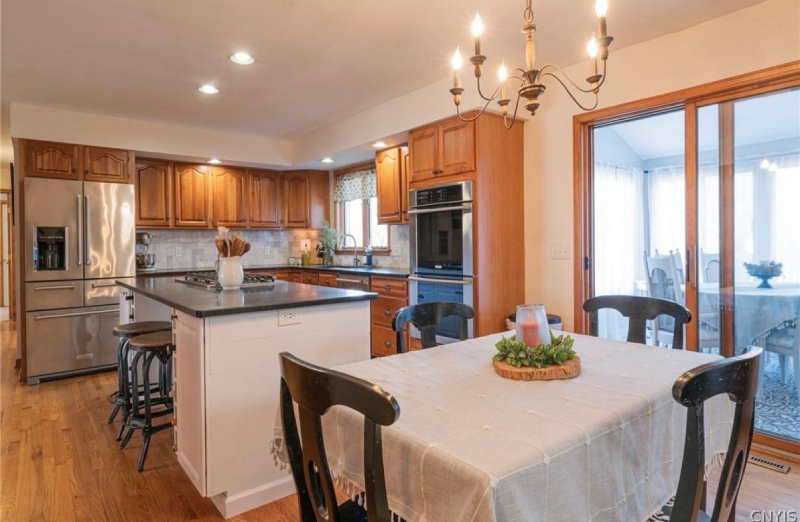
When homeowners prepare to sell, one of the biggest questions that comes up is whether staging is really worth it.
For some, it can feel like an “extra.” Something nice, but not necessary. Something that would be great if there’s room in the budget.
But the truth is, staging is not just about making a home look pretty. It is about positioning a property to sell more effectively. It is a marketing tool, a strategy, and often one of the smartest investments a seller can make before listing.
Whether a home is occupied or vacant, staging helps buyers emotionally connect to the space, understand how it lives, and see its full potential. And in a competitive market, that can directly affect how quickly a home sells and how strong the offers are.
First, What’s the Difference?
Occupied Staging
Occupied staging is for homes where the seller is still living in the property. Instead of bringing in an entire house full of furniture, the stager works with the pieces already in the home and makes strategic adjustments to improve how the space presents.
This can include:
- rearranging furniture
- removing excess pieces
- editing décor
- depersonalizing the home
- improving flow
- adding select accessories, art, or finishing touches
- creating a clear action plan for showings and photos
Occupied staging is about transforming a lived-in home into a property that feels more spacious, intentional, and buyer-friendly.
Vacant Staging
Vacant staging is for homes that are empty. Since there is no furniture in place, the entire environment is created from the ground up.
This usually includes:
- furniture
- rugs
- artwork
- lamps
- bedding
- accent pieces
- dining and living room setups
- styling to define each room
Vacant staging helps an empty house feel warm, scaled, and understandable. It gives buyers context for how each room functions and helps them imagine life there.
Why Staging Matters More Than Sellers Realize
Most sellers are so used to living in their home that they stop seeing it the way a buyer would.
They know the oversized chair fits because they’ve walked around it for years. They don’t notice the crowded entryway because they’re used to dropping bags there. They understand the awkward extra room is an office, a guest room, or a playroom because they’ve lived the story of the house.
Buyers have not.
Buyers walk into a home and form opinions quickly. They are not just noticing finishes and square footage. They are noticing how the home feels. If it feels bright, open, calm, and easy to understand, they are much more likely to emotionally connect to it.
If it feels cluttered, empty, cramped, confusing, too personal, or unfinished, that connection is harder to make.
That emotional connection matters because people do not buy homes based on logic alone. They buy based on a combination of emotion and confidence. Staging helps create both.
Why Occupied Staging Is Worth the Money
Some homeowners assume occupied staging is unnecessary because the home already has furniture. But simply having furniture is not the same as having the right layout and presentation for selling.
A lived-in home often reflects daily life, not buyer psychology.
That can mean:
- too much furniture in a room
- furniture that is the wrong scale
- family photos and personal items that keep buyers from picturing themselves there
- storage areas that feel overfilled
- rooms serving too many purposes at once
- decor choices that distract from the home itself
Occupied staging helps solve these issues without requiring a full furniture install.
It helps the home feel bigger
One of the fastest ways to make a home feel small is too much furniture. Sellers often think every wall needs something against it or that every piece must stay because it is functional for their family. But buyers are not shopping for your current setup. They are shopping for possibility.
By removing pieces, adjusting layouts, and simplifying the room, occupied staging helps the home feel larger and more open.
It helps buyers focus on the house
When a home is overly personal, buyers can have a hard time seeing past someone else’s life. Occupied staging tones that down. It does not strip all warmth away, but it creates enough neutrality for buyers to imagine their own story there.
It makes your listing photos much stronger
Online photos are often the first showing. If the home does not photograph well, buyers may never step through the front door. Occupied staging helps make each room look cleaner, brighter, and more purposeful, which can dramatically improve the first impression online.
It gives sellers a clear plan
One of the most valuable parts of occupied staging is clarity. Instead of guessing what to remove, what to keep, or what buyers will notice, sellers get a focused plan. That saves time, reduces stress, and prevents wasting money on the wrong updates.
Why Vacant Staging Is Worth the Money
Empty homes have their own challenges. While some sellers assume a vacant home is easier because it is “clean and open,” empty spaces often work against the sale.
A vacant home can feel:
- cold
- smaller than it really is
- echoey
- unfinished
- harder to understand
Without furniture, buyers struggle to judge scale. They may not know whether a room can fit a king bed, a sectional, or a dining table. They may question what an extra room is for. And when there is nothing softening the space, every flaw tends to stand out more.
It helps buyers understand the function of the room
A staged home answers questions before buyers ask them. Is this room a dining room? A flex space? A reading nook? A bedroom? Staging gives purpose to each area so buyers can instantly understand how the home works.
It helps rooms feel appropriately sized
Ironically, empty rooms often look smaller than staged rooms. With no furniture to anchor the space, buyers have nothing to compare the dimensions to. Properly scaled furniture helps a room feel usable and generous.
It softens the house and makes it feel inviting
Vacant homes can feel sterile. Staging adds warmth, texture, and life. It turns a shell into a home.
It helps justify the asking price
When buyers walk into an empty home that feels cold or awkward, they often start mentally discounting the value. Staging helps support the price by making the home feel finished, polished, and move-in ready.
Why Staging Is an Investment, Not Just an Expense
This is the part sellers need to understand most clearly.
Staging is not just about appearance. It is about return on presentation.
A beautifully presented home can:
- attract more attention online
- generate more showings
- help buyers form an emotional connection faster
- reduce objections
- strengthen perceived value
- help a home sell faster
- sometimes lead to stronger offers
When a home sits longer, the cost is not just emotional. It can also be financial.
Longer days on market can lead to:
- price reductions
- continued mortgage payments
- continued utility costs
- additional cleaning and maintenance
- more stress and uncertainty
In that light, staging is often far more affordable than the cost of sitting.
Even a modest improvement in presentation can make a meaningful difference in how a home performs.
Occupied Staging vs. Vacant Staging: Which Gives the Better Return?
The best answer depends on the condition of the home and the selling situation.
Occupied staging often offers strong value because:
- it uses what you already own
- it usually costs less than full vacant staging
- it can make a dramatic impact with editing and layout changes
- it provides a practical roadmap for sellers still living in the space
Vacant staging often offers strong value because:
- it transforms an empty house into a lifestyle buyers can connect with
- it helps define awkward or open-concept spaces
- it makes listing photos much more compelling
- it creates a polished, intentional first impression
Neither is “better” in every situation. The right choice depends on whether the home is lived in, empty, well-furnished, dated, large, small, or architecturally unique.
The real value comes from using the right kind of staging for the home.
What Sellers Often Get Wrong
Many sellers think buyers should be able to “look past” clutter, outdated layouts, emptiness, or overly personal styling.
Some can. Many do not.
Buyers are making fast decisions in a competitive environment. If one house feels effortless and another feels confusing, the effortless one usually wins.
Another common mistake is spending money in the wrong place. Sellers may pour money into updates buyers barely notice while skipping the presentation piece that ties everything together.
A home does not always need a full renovation to sell well. Sometimes it needs:
- better flow
- fewer pieces
- clearer function
- stronger styling
- more warmth
- a more intentional first impression
That is exactly what staging addresses.
Why It Is Especially Valuable in a Competitive Market
When inventory rises or buyers become more selective, presentation matters even more.
In a slower or more balanced market, staging can help a home stand out when buyers have multiple options.
In a faster market, staging still matters because it helps a home capture attention immediately and create stronger emotional pull.
Either way, sellers benefit when their home is presented at its best.
Where I Come In
This is where I help take the guesswork out of the process.
I look at your home through a buyer’s eyes and help you identify what is helping, what is hurting, and what changes will make the biggest impact. Whether your home is occupied or vacant, my goal is to create a space that feels inviting, elevated, and easy for buyers to connect with.
For occupied homes, that may mean editing, rearranging, styling, and giving you a practical plan using much of what you already have.
For vacant homes, it means building a complete visual story that helps buyers understand the home and want to be in it.
In both cases, the goal is the same: help your home stand out, photograph beautifully, and feel worth the asking price.
Final Thoughts
Occupied staging and vacant staging are different tools, but both serve the same purpose: helping buyers see the home at its absolute best.
And that is why staging is worth the money.
Because once your home hits the market, you do not get unlimited chances to make a first impression. Buyers decide quickly. Photos matter. Emotion matters. Presentation matters.
Staging is not about making a home look fancy for the sake of it. It is about helping buyers connect, helping sellers compete, and helping a property reach its fullest potential.
When done well, staging is not extra. It is part of the strategy.
Recent Posts
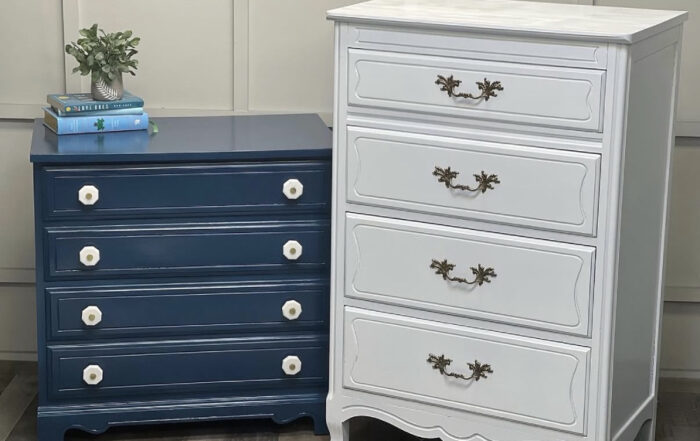
Where to Start When Your Home Feels Overwhelming
There’s a moment we’ve all had—you walk into your home, look around, and instead of feeling comfort, you feel… heavy. The dishes are piling up. [...]
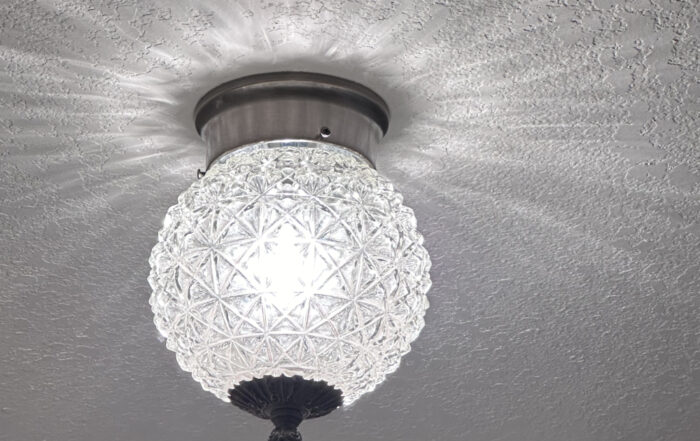
The $7 Light That Refused to Be Rushed
Some pieces come home with a plan. Others… come home because you made eye contact with them and suddenly they’re yours. This light was the [...]
Occupied Staging vs. Vacant Staging: What’s the Difference — and Why Is It Worth the Money?
When homeowners prepare to sell, one of the biggest questions that comes up is whether staging is really worth it. For some, it can feel [...]